
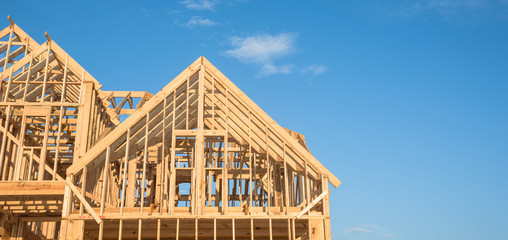
Home building has changed dramatically over the years as homeowners place greater emphasis on comfort, efficiency, flexibility, and personalization. Modern residential construction is no longer focused solely on creating a functional shelter. Instead, today’s home building projects are designed to support evolving lifestyles, improve energy performance, and deliver long-term value. As design preferences continue to shift, custom home building trends are influencing everything from floor plans and building materials to smart technology integration and outdoor living spaces.
One of the primary reasons many people choose custom home building is the ability to personalize every detail of the property. Unlike pre-existing homes, custom-built residences allow homeowners to select layouts, finishes, features, and systems that match their exact needs. This level of customization provides greater control over functionality and aesthetics while also creating a more comfortable and practical living environment.
Modern homeowners are increasingly prioritizing flexible living spaces during the home-building process. Traditional room layouts are being replaced with multifunctional designs that adapt to changing household needs. Families often require spaces that can serve multiple purposes over time, especially as work habits and daily routines continue to evolve. Home offices, study areas, workout rooms, and hybrid guest spaces are now considered highly valuable additions in residential construction.
Several popular home building design trends include:
- Open-concept kitchens and living areas
- Dedicated home office spaces
- Large windows for natural light
- Indoor-outdoor living integration
- Multi-use bonus rooms for flexibility
These features improve both convenience and long-term usability, making homes more adaptable for future lifestyle changes.
Energy efficiency has also become one of the most influential factors in modern home building. Homeowners are increasingly aware of rising utility costs and environmental concerns, leading many to invest in energy-saving construction solutions. Builders are now incorporating advanced insulation systems, energy-efficient windows, and smart climate controls into residential projects to improve overall performance. Efficient home designs help reduce energy consumption while maintaining indoor comfort throughout the year.
In addition to lower monthly utility costs, energy-efficient homes often require less maintenance and can increase property value. Sustainable construction practices are becoming a major selling point in the housing market because buyers recognize the long-term financial benefits associated with reduced energy usage. Modern home building strategies now focus heavily on maximizing efficiency without sacrificing design quality or comfort.
Technology integration is another major trend shaping the future of home building. Smart home systems allow homeowners to control lighting, security, appliances, and climate settings from mobile devices or centralized control systems. These technologies improve convenience while also enhancing security and energy management. Many newly built homes are designed with smart technology infrastructure already integrated into the construction plan.
Some of the most requested smart home features include:
- Smart lighting systems
- Automated security monitoring
- Remote thermostat controls
- Voice-activated home automation
- Energy monitoring systems
As technology continues to advance, smart home integration is expected to become even more common in residential construction projects.
Kitchen design remains one of the most important aspects of custom home building. Modern kitchens are now viewed as central gathering spaces rather than purely functional cooking areas. Homeowners are looking for larger islands, increased storage capacity, walk-in pantries, and high-performance appliances that improve both functionality and visual appeal. Open kitchen layouts connected to dining and living areas continue to dominate contemporary home designs because they encourage interaction and maximize usable space.
Bathroom design trends have also evolved significantly in modern home building. Many homeowners are creating spa-inspired bathrooms that focus on relaxation and comfort. Large walk-in showers, freestanding tubs, double vanities, and improved lighting solutions are increasingly popular in custom residential construction. Storage and organization are also major priorities, with homeowners seeking cleaner layouts and more efficient use of space.
Outdoor living spaces are becoming essential components of residential home building projects. Homeowners are placing greater emphasis on extending usable living areas beyond the interior of the home. Covered patios, outdoor kitchens, entertainment areas, and landscaped gathering spaces allow families to enjoy more functionality and recreation outdoors. These additions not only improve quality of life but can also enhance property value and curb appeal.
Storage solutions are another critical focus in modern home building. Clutter-free living environments require carefully planned storage systems that maximize organization without sacrificing aesthetics. Walk-in closets, built-in shelving, hidden storage compartments, and oversized garages are increasingly common in contemporary home designs. Functional storage planning improves convenience and helps homeowners maintain cleaner, more efficient living spaces.
Durability and low-maintenance materials have also gained popularity in residential construction. Homeowners are seeking materials that provide long-term performance while reducing maintenance requirements. Flooring, roofing, siding, and countertop selections are often based on durability, resistance to wear, and ease of cleaning. Investing in quality materials during the home building process can reduce repair costs and improve overall property longevity.
Another growing trend in home building is the focus on wellness-oriented design. Homeowners are paying closer attention to indoor air quality, natural lighting, noise reduction, and overall environmental comfort. Proper ventilation systems, larger windows, and healthier construction materials contribute to a more comfortable and healthier indoor environment. Builders are increasingly incorporating wellness-focused features into new home designs to improve both physical comfort and overall quality of life.
The importance of efficient floor plans cannot be overlooked in modern residential construction. Instead of simply increasing square footage, many homeowners are focusing on smarter space utilization. Efficient layouts reduce wasted areas and improve movement throughout the home. Functional design strategies help maximize comfort and usability regardless of the overall size of the property.
Home building timelines and project management remain essential aspects of successful construction projects. Building a custom home involves coordination between architects, contractors, suppliers, inspectors, and homeowners. Clear communication and detailed planning are necessary to minimize delays and budget issues. Construction schedules should include realistic timelines that account for weather conditions, material availability, and permit approvals.
Budget management is equally important during custom home building projects. Many homeowners begin construction with a general estimate but later encounter unexpected expenses due to upgrades or design changes. A detailed financial strategy helps maintain control over spending while ensuring critical elements of the project receive proper attention. Prioritizing long-term value over short-term savings often leads to better overall construction outcomes.
Safety and structural quality should remain top priorities throughout the home building process. Proper framing, electrical installation, plumbing systems, and roofing work are essential for long-term performance and occupant safety. Routine inspections during construction help identify potential issues before they become costly repairs. High-quality workmanship contributes significantly to the durability and reliability of the finished home.
Ultimately, modern home building is about creating a personalized living environment that balances aesthetics, efficiency, comfort, and long-term value. Today’s homeowners are looking beyond basic construction and focusing on smarter designs that improve daily living. From energy-efficient systems and smart technology to flexible layouts and outdoor living spaces, custom residential construction continues to evolve to meet changing lifestyle demands. With thoughtful planning and attention to detail, home building projects can provide lasting functionality, increased property value, and a more enjoyable living experience for years to come.