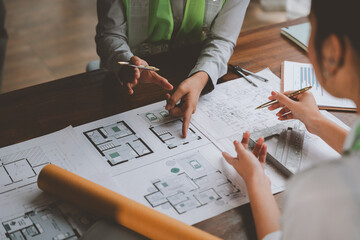
Hardscapes are a critical component of landscape design, offering structure, durability, and visual appeal to outdoor spaces. Unlike softscapes, which focus on plants, lawns, and greenery, hardscapes include all the non-living elements of landscaping, such as patios, walkways, retaining walls, and driveways. Integrating hardscape into outdoor areas not only enhances aesthetic appeal but also improves functionality, accessibility, and long-term property value. Get started by clicking here at https://www.gkconstructionsolutions.com/.
What is Hardscape?
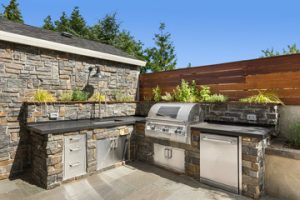
Hardscapes refer to the solid, structural elements in landscaping projects that provide both form and function. These elements can be made from various materials, including concrete, stone, brick, pavers, and wood. Common hardscape features include patios, decks, walkways, retaining walls, fire pits, outdoor kitchens, water features, and fencing.
The primary purpose of hardscape is to create defined spaces, facilitate movement, and support other landscaping features. Well-designed hardscape elements complement softscape elements, such as plants, trees, and gardens, resulting in a balanced, visually appealing outdoor environment.
Benefits of Hardscape Installation
Hardscapes offer numerous benefits beyond aesthetics. Properly installed hardscapes enhance the functionality, safety, and longevity of outdoor areas.
1. Durability and Low Maintenance
Materials like stone, concrete, and brick are built to withstand weather conditions, foot traffic, and heavy use. Unlike natural vegetation, hardscapes require minimal maintenance, reducing long-term upkeep costs.
2. Improved Functionality
Hardscapes provide structure and defines outdoor spaces, creating areas for seating, entertainment, or pathways. For example, a well-designed patio can serve as an extension of indoor living spaces, while retaining walls can stabilize sloped landscapes and prevent erosion.
3. Increased Property Value
Professional hardscape design can significantly increase a property’s curb appeal and market value. Well-executed patios, walkways, and outdoor entertainment areas create a strong impression and attract potential buyers or visitors.
4. Enhanced Safety
Hardscape features like paved walkways, driveways, and stairs provide safe and accessible surfaces, reducing the risk of slips, trips, or erosion-related hazards. Proper installation ensures that these features are level, stable, and durable over time.
Common Types of Hardscape Features
Hardscapes encompass a variety of elements that serve both practical and decorative purposes. Some of the most popular hardscape features include:
- Patios and Decks – Providing outdoor living spaces for relaxation, dining, and entertainment.
- Walkways and Pathways – Guiding movement across properties while adding aesthetic appeal.
- Retaining Walls – Supporting sloped landscapes and preventing soil erosion.
- Driveways – Offering durable and visually appealing access to homes or buildings.
- Fire Pits and Outdoor Kitchens – Enhancing recreational spaces and creating gathering areas.
- Water Features – Adding tranquility and focal points with fountains, ponds, or waterfalls.
Each type of hardscape element contributes to the overall functionality and beauty of the outdoor environment.
Materials Used in Hardscaping
Selecting the right materials is crucial for durability, aesthetics, and budget considerations. Common materials include:
- Natural Stone – Offers a timeless, elegant appearance and can be used for patios, walkways, and retaining walls.
- Concrete – Versatile and durable, suitable for driveways, sidewalks, and patios, with options for stamping, staining, or coloring.
- Brick – Provides a classic look, ideal for pathways, walls, and decorative features.
- Pavers – Available in various shapes, sizes, and colors, pavers are used for patios, driveways, and walkways.
- Wood – Often used for decks, pergolas, and fencing, wood adds warmth and natural appeal to outdoor spaces.
The choice of material depends on factors such as project type, budget, aesthetic preference, and local climate conditions.
Planning and Designing Hardscapes
Effective hardscape design requires careful planning to balance functionality, aesthetics, and environmental considerations. Key steps in the planning process include:
- Site Assessment – Evaluating the property’s terrain, soil condition, drainage, and sun exposure.
- Layout and Design – Determining the placement, size, and style of each hardscape element to ensure cohesive integration with the surrounding landscape.
- Material Selection – Choosing materials that match the desired look, durability requirements, and budget constraints.
- Installation Planning – Coordinating the installation process to minimize disruption and ensure proper construction techniques.
Professional design ensures that hardscapes are both practical and visually appealing, enhancing the overall outdoor experience.
Installation of Hardscapes
Hardscape installation involves several steps to ensure durability and longevity. Proper preparation of the site is essential, including grading, excavation, and soil stabilization. Once the foundation is ready, materials are laid according to the design plan, with careful attention to alignment, leveling, and spacing.
For example, paver patios require a compacted base layer of sand and gravel to prevent shifting and settling over time. Retaining walls must be properly anchored and reinforced to withstand soil pressure and environmental factors. Professionals ensure that all elements are installed according to industry standards, providing both structural integrity and aesthetic appeal.
Maintenance of Hardscapes
One of the advantages of hardscapes is low maintenance, but routine care helps preserve their appearance and functionality. Maintenance may include:
- Regular cleaning to remove dirt, debris, and moss.
- Inspecting for cracks or shifting and performing repairs as needed.
- Sealing surfaces such as concrete or stone to protect against weathering and stains.
- Checking drainage around patios, driveways, and retaining walls to prevent erosion or water damage.
Proper maintenance extends the lifespan of hardscape and keeps outdoor spaces looking pristine for years.
Environmental and Practical Considerations
Hardscape projects should consider environmental impact and sustainability. Permeable pavers, for instance, allow water to drain through surfaces, reducing runoff and promoting groundwater recharge. Using locally sourced or recycled materials also minimizes environmental impact and supports sustainable construction practices.
Additionally, integrating hardscape with natural elements enhances both aesthetics and functionality. Combining patios, walkways, and retaining walls with gardens, lawns, and water features creates a balanced outdoor environment that is visually pleasing and practical.
Choosing the Right Hardscape Service
Selecting the right hardscape service is essential for a successful project. Property owners should consider experience, portfolio, and client reviews to ensure quality craftsmanship. Professionals should offer design consultation, material recommendations, and installation services tailored to specific project needs.
Clear communication and detailed project estimates help set expectations and prevent surprises. A reputable hardscape service will provide guidance on design, materials, and maintenance, ensuring long-lasting and visually appealing results.
Hardscapes are a vital component of landscaping, combining beauty, functionality, and durability in outdoor spaces. From patios and walkways to retaining walls and water features, hardscape elements define outdoor living areas, improve accessibility, and enhance property value.
Professional hardscape design and installation ensure that these elements are constructed to last, complement the surrounding environment, and provide a safe, enjoyable space for relaxation and recreation. Whether creating a backyard retreat, a functional driveway, or an outdoor entertainment area, investing in high-quality hardscape delivers long-term benefits for both aesthetic appeal and practical use.